
Interior Residential Painting
Transform Your Home’s Interior with Fresh, High-Quality Paint
We provide professional interior painting for every part of your home — from walls and trim to ceilings and more. Whether you’re refreshing one room or transforming your entire space, our skilled team delivers clean lines, smooth finishes, and results that elevate your everyday living. Scroll down to see how we do it — or request your free quote today.
Our Work
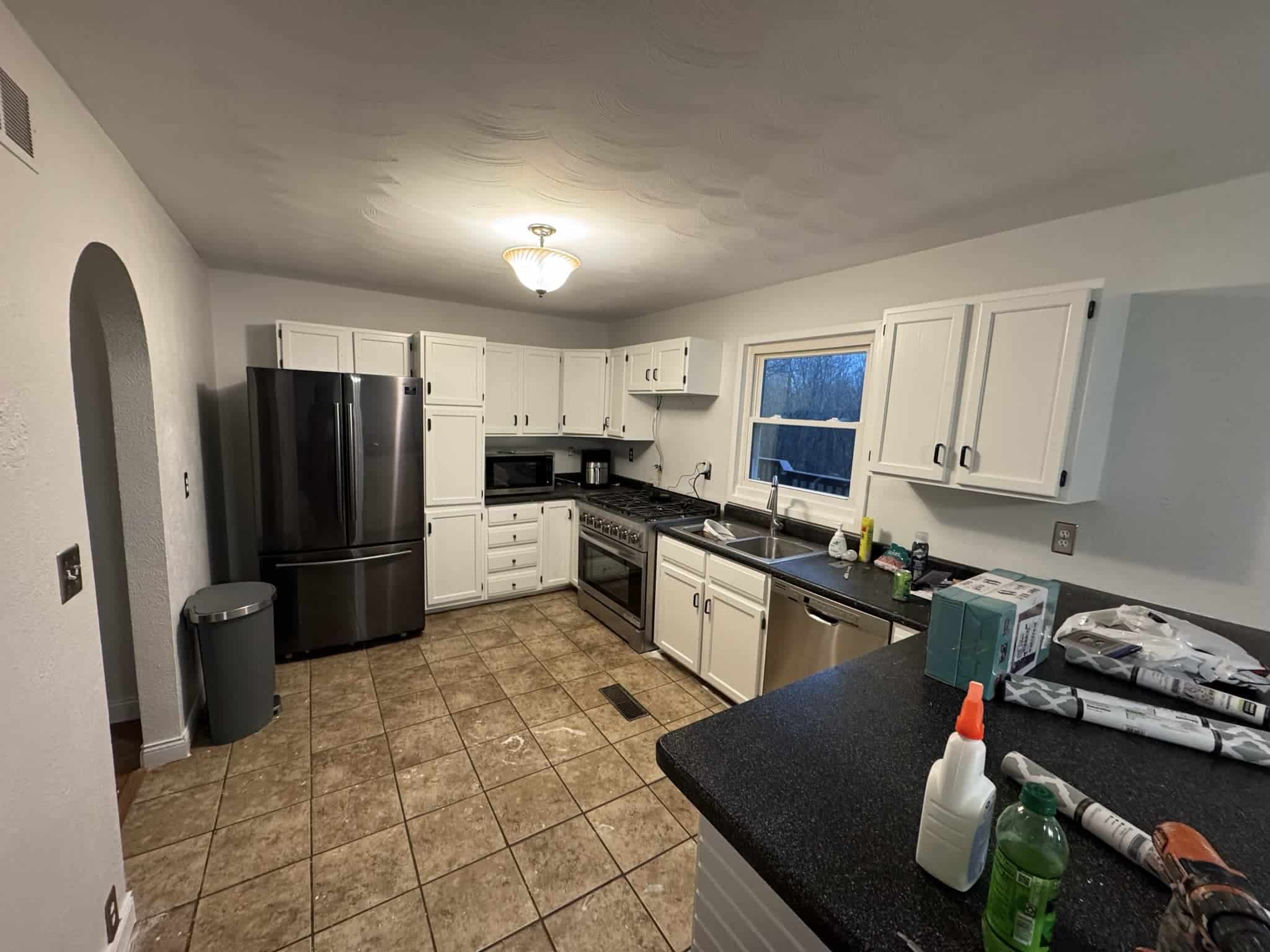
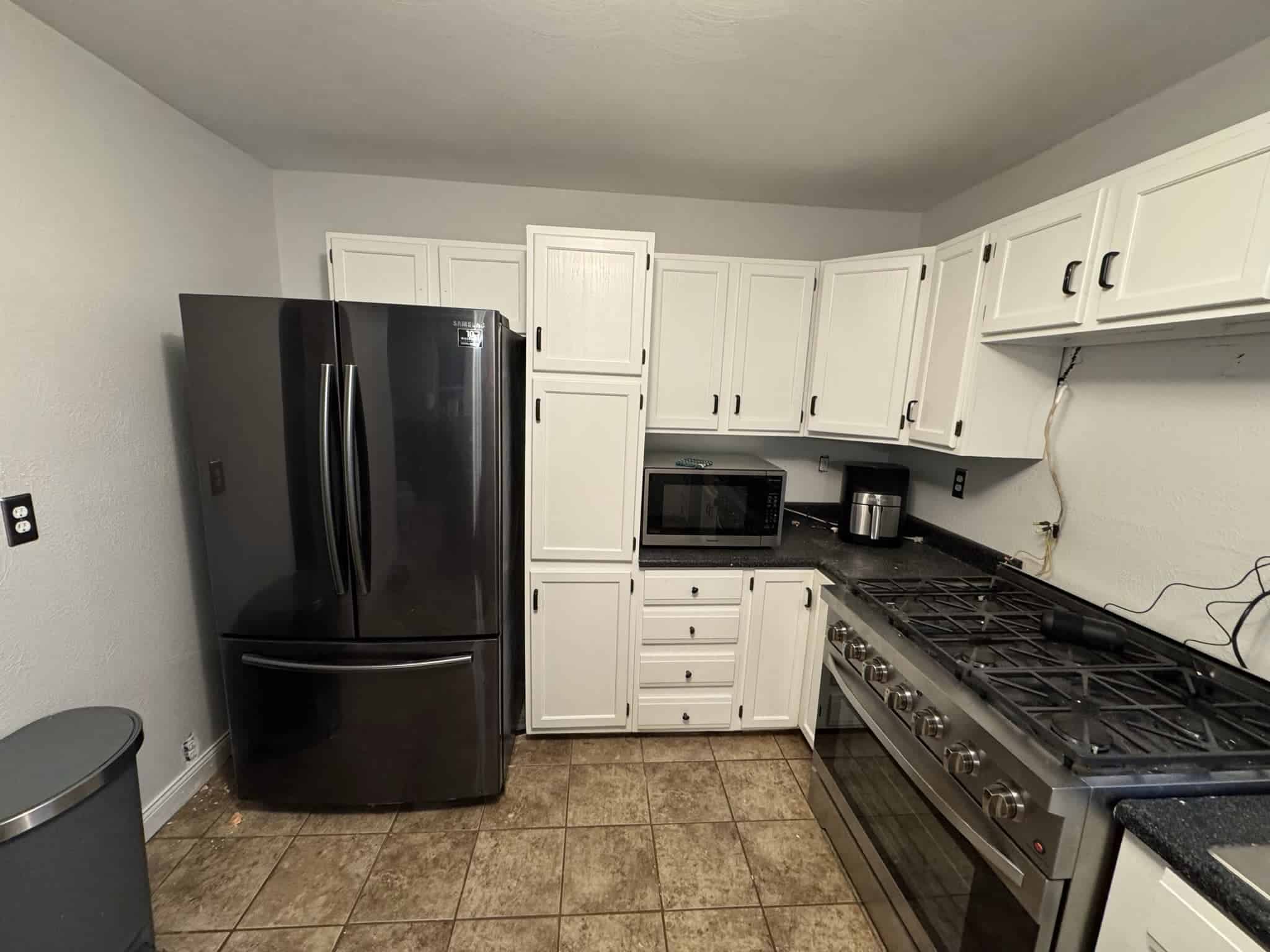
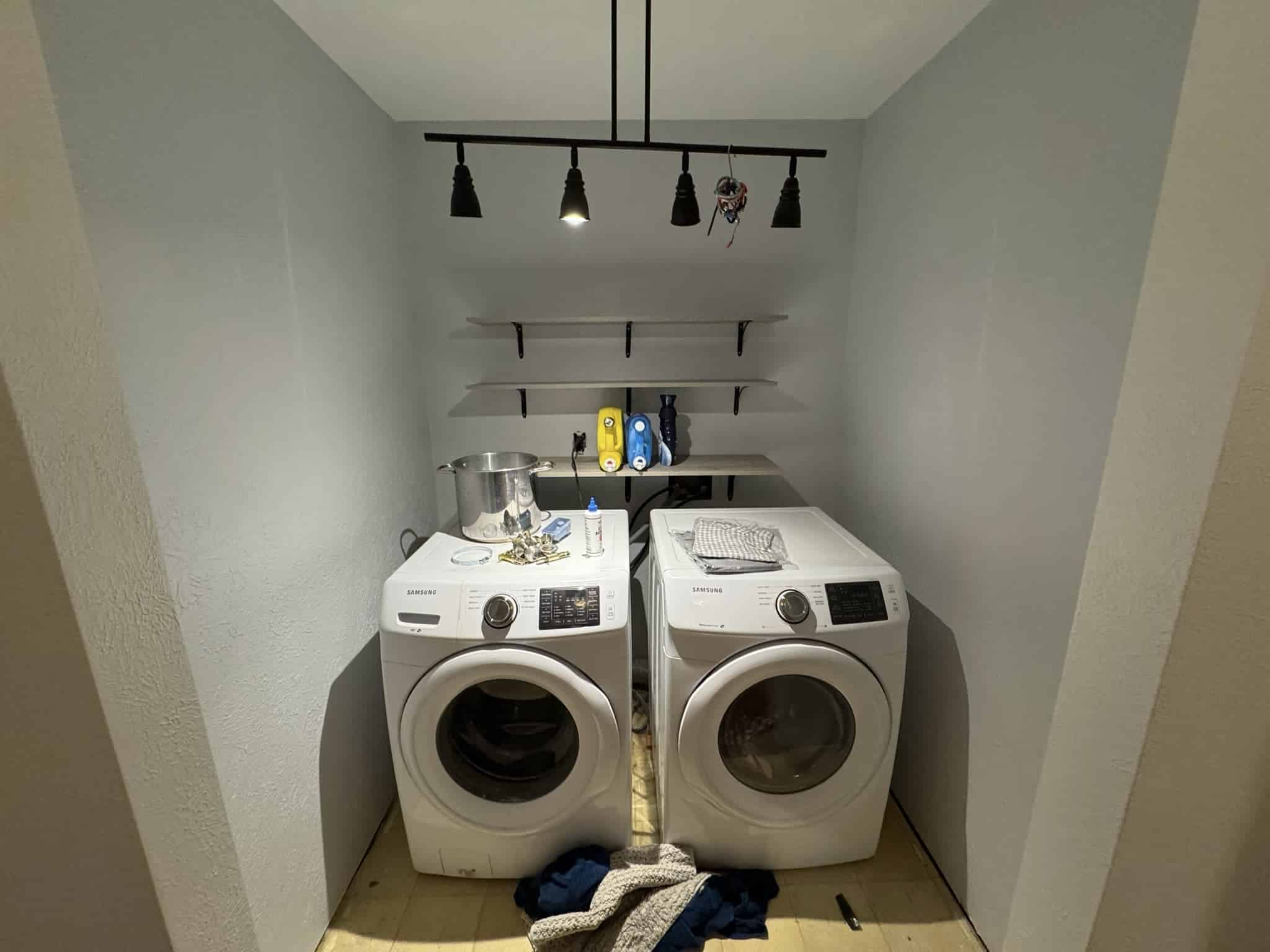


What We Paint
We handle every interior surface in your home:
- Walls & Ceilings – Living rooms, bedrooms, bathrooms, kitchens, hallways, basements, and finished attics. We work with all wall types including drywall, plaster, textured surfaces, and wood paneling.
- Trim & Woodwork – Baseboards, crown molding, door frames, window trim, chair rails, and wainscoting. We can match existing finishes or update them completely.
- Doors & Cabinets – Interior doors, closet doors, built-in shelving, and light cabinet touch-ups (for full cabinet refinishing, see our dedicated cabinet service).
- Railings & Banisters – Staircase railings, spindles, handrails, and decorative woodwork.
Our Preparation Process
Good prep work is what separates a paint job that lasts 2 years from one that lasts 10. Here’s what we do:
- Protection First – We cover floors with drop cloths, protect furniture with plastic, and tape off areas we’re not painting. Your belongings stay clean.
- Cleaning – We wipe down walls to remove dust, grease, and grime. Paint doesn’t stick well to dirty surfaces.
- Repairs – We fill nail holes, patch cracks, repair damaged drywall, and fix any surface imperfections. If we find larger issues (like water damage), we’ll let you know before proceeding.
- Sanding – If required, we sand patched areas smooth and lightly scuff existing paint to help the new coat bond properly.
- Priming – We prime when needed: over repairs, stained areas, dramatic color changes, or bare surfaces. Primer seals the surface and helps paint go on evenly.
- Caulking – We caulk gaps between trim and walls for a clean, professional finish.
Only after all this prep work do we start painting.
Paint & Finish Options
Choosing the Right Paint
Paint Brands We Use
We typically work with professional-grade paint known for durability and coverage. If you have a preference for a brand, we can accommodate that.
Finish Options Explained
| Finish Type | Best For | Pros | Cons |
|---|---|---|---|
| Flat / Matte | Low-traffic areas, ceilings, bedrooms | Hides imperfections, non-reflective | Harder to clean, shows marks easily |
| Eggshell | Living rooms, dining rooms, bedrooms | Slight sheen, washable, hides minor flaws | Can show application marks |
| Satin | Kitchens, bathrooms, hallways, kids’ rooms | Durable, easy to clean, moisture-resistant | Shows surface imperfections more than flat |
| Semi-Gloss | Trim, doors, cabinets, high-moisture areas | Very durable and washable, resists moisture | Highlights surface flaws |
| High-Gloss | Accent features, furniture, modern looks | Extremely durable, dramatic look | Shows every imperfection |
What We Recommend
Most homeowners choose satin or eggshell for walls and semi-gloss for trim. We’ll walk through options during your estimate based on your specific rooms and lifestyle.
Room-By-Room Considerations
- Living Rooms & Bedrooms – These rooms set the mood for your home. Lighter colors make small spaces feel bigger. Darker colors add coziness but need good lighting. Eggshell finish works well – it’s washable but not too shiny.
- Kitchens – Use satin or semi-gloss for easy cleaning. Lighter colors show less dirt. Consider how your paint color looks with your cabinets and countertops. Avoid flat paint in kitchens – it can’t handle grease splatter.
- Bathrooms – Moisture is your enemy here. Use satin or semi-gloss with mildew-resistant paint formulas. Lighter colors make small bathrooms feel larger. Make sure your bathroom has proper ventilation before painting.
- Kids’ Rooms – Satin finish is your friend – it handles cleaning and inevitable wall marks. Consider durable, washable paint. Fun colors are great, but neutral base walls with colorful accents make future repainting easier.
- Hallways & Stairwells – High-traffic areas need durable paint. Satin or eggshell holds up to bumps and scuffs. These areas get touched more than you think, so washability matters.
- Home Offices – Blues and greens promote focus. Avoid stark white (causes eye strain on video calls). Eggshell finish reduces glare on computer screens.
- Basements – Address moisture issues before painting. Use mildew-resistant paint. Lighter colors help with the typical lack of natural light.
Timing & Best Practices
Best Time for Interior Painting
Interior painting can be done year-round as long as the room is properly heated or cooled to maintain moderate temperatures. Aim for 40-50% humidity and ensure good ventilation to help the paint cure properly. While extreme heat or cold should be avoided, climate control makes interior painting possible in any season.
Project Timeline
- Single room: 1-2 days (includes prep and 2 coats) depending on room size
- Multiple rooms: 3-5 days depending on size
- Whole house interior: 5-10 days depending on square footage
- Trim-only projects: 2-4 days depending on detail
Drying time between coats is typically 2-4 hours. Full cure time is 2-4 weeks depending on the paint – walls can be cleaned gently before then.
What You Should Do
- Remove wall decorations and hardware
- Clear small items from surfaces
- Move small furniture to room centers (we can help with heavy pieces)
- Arrange for pets and kids to be elsewhere during painting
What We Handle
- All surface prep and repairs
- Complete protection of floors and furniture
- All painting and cleanup
- Proper disposal of materials
- Final walkthrough to ensure satisfaction
Your Color Consultation
Choosing paint colors is overwhelming. We make it easier:
- We Come to You
During your estimate, we look at your space’s lighting, existing finishes, and furnishings. Natural light, artificial light, and room orientation all affect how colors appear. - We Narrow It Down
Based on your preferences and room function, we recommend 3-5 colors to consider. We explain how each will look in your lighting conditions. - Consider the Flow
We help you think about how colors transition from room to room. Your home should feel cohesive, not like a paint store showroom. - Tried-and-True Options
If you’re stuck, we have go-to colors that work in most homes: warm neutrals (greige, warm gray), soft whites (not stark), and accent walls with deeper tones.
Color Psychology Quick Guide
- Blues: Calming, good for bedrooms and bathrooms.
- Greens: Balanced, works in any room.
- Warm Neutrals: Safe, timeless, easy to decorate around.
- Grays: Modern, but go warm-toned to avoid feeling cold.
- Whites: Classic, but choose carefully – pure white can feel sterile.